

What Does Botswana Agate Do for Emotional Stability?
Botswana Agate acts as a stabilizing force for the emotional body, encouraging a pragmatic approach to problem-solving. It helps individuals maintain composure when facing high-pressure situations or significant life changes. By providing a steadying influence, it allows for clearer self-reflection and more objective decision-making.
- Promotes a sense of security and composure
- Assists in identifying underlying causes of stress
- Encourages analytical thinking over reactive emotions
- Supports the gradual release of repressed feelings
How Does Botswana Agate Compare to Blue Lace Agate for Calm?
While Blue Lace Agate focuses on soothing communication and the throat chakra, Botswana Agate is more focused on internal fortitude and grounding. Botswana Agate is preferred for those needing resilience rather than just relaxation. It offers a protective quality that feels more structural than fluid.
- Botswana Agate provides structural emotional support
- Blue Lace Agate emphasizes gentle verbal expression
- Botswana Agate is better for long-term endurance
- Both minerals offer high durability for daily handling
Why Choose Botswana Agate for Maximum Grounding?
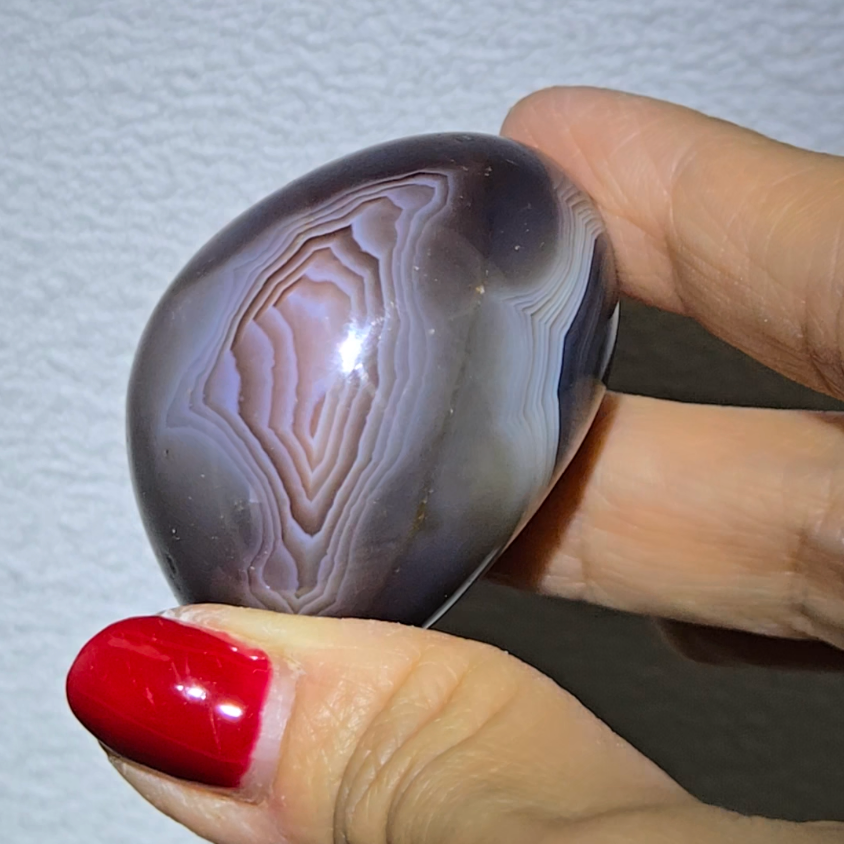
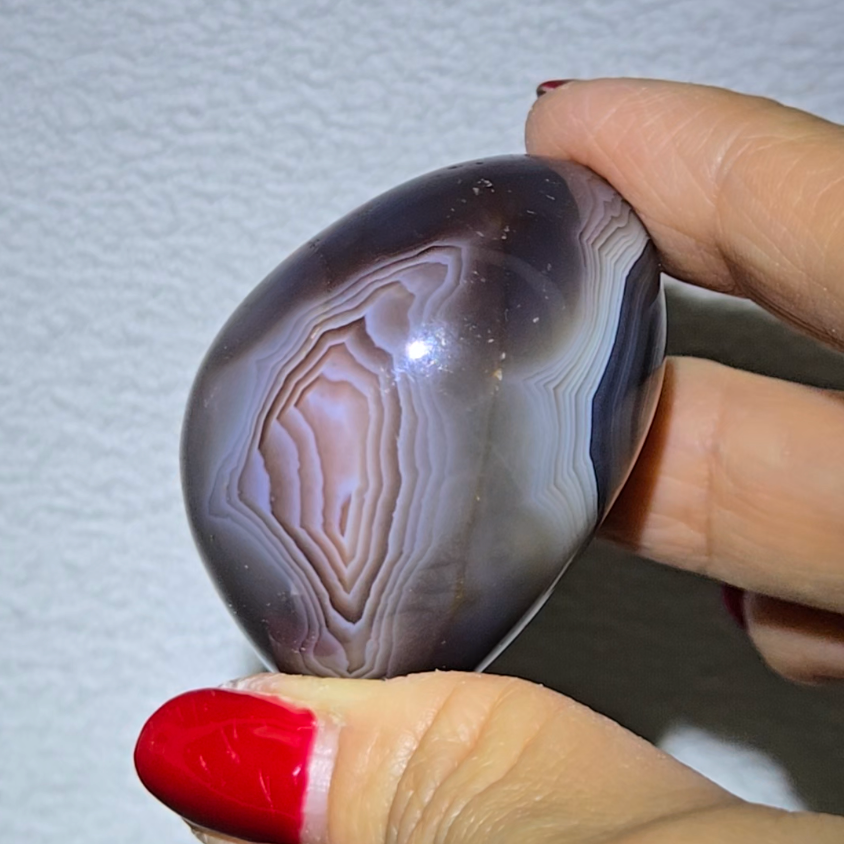
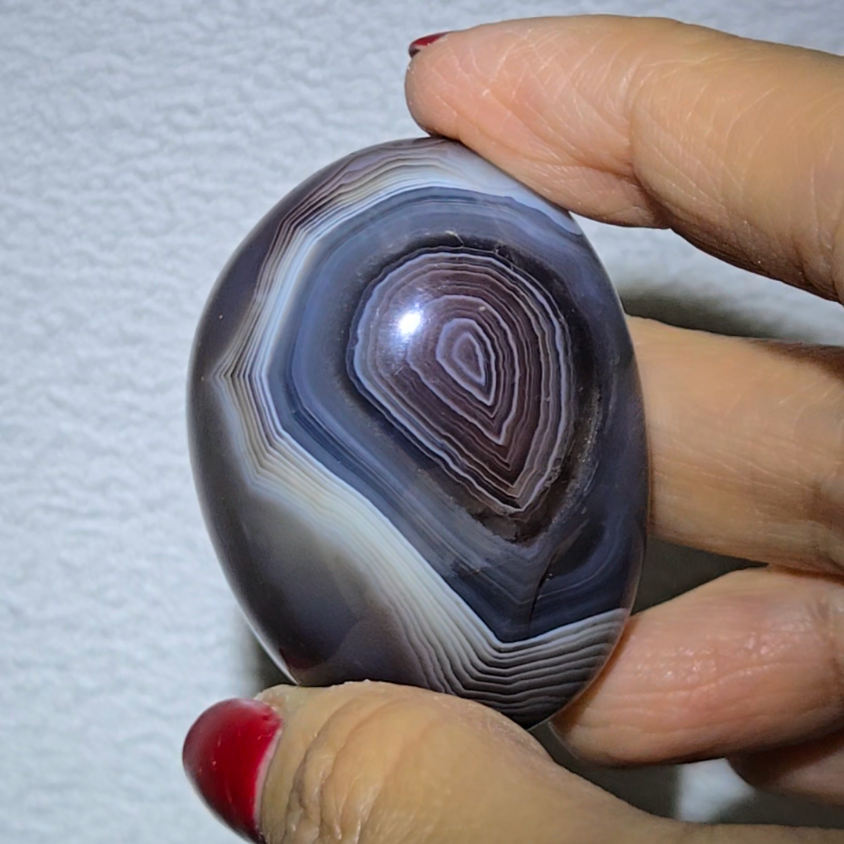
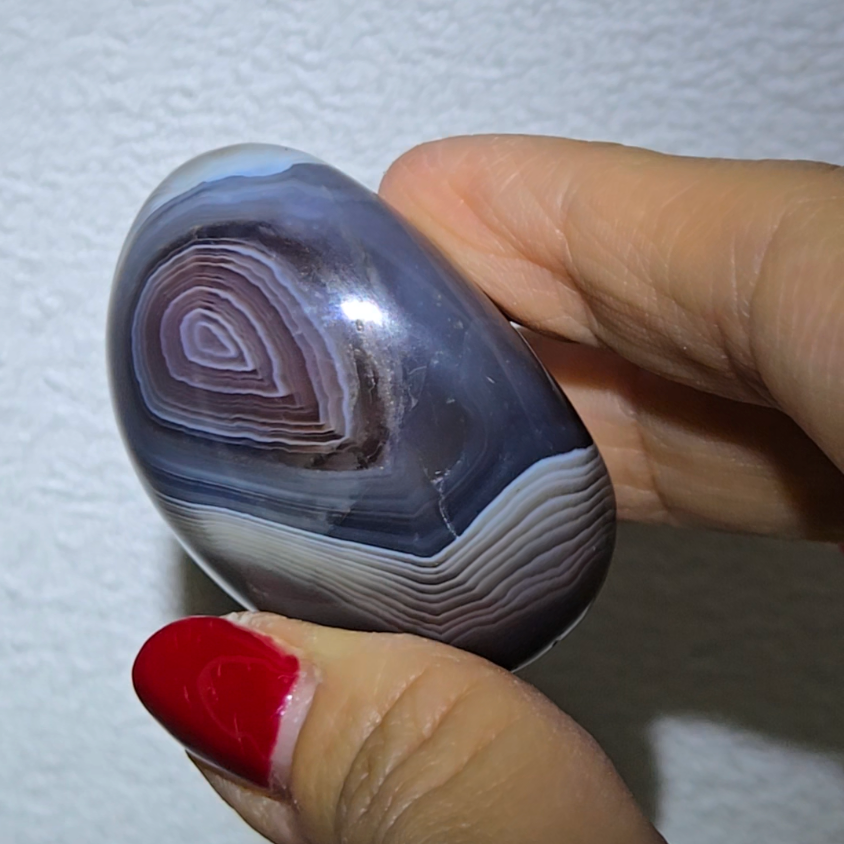
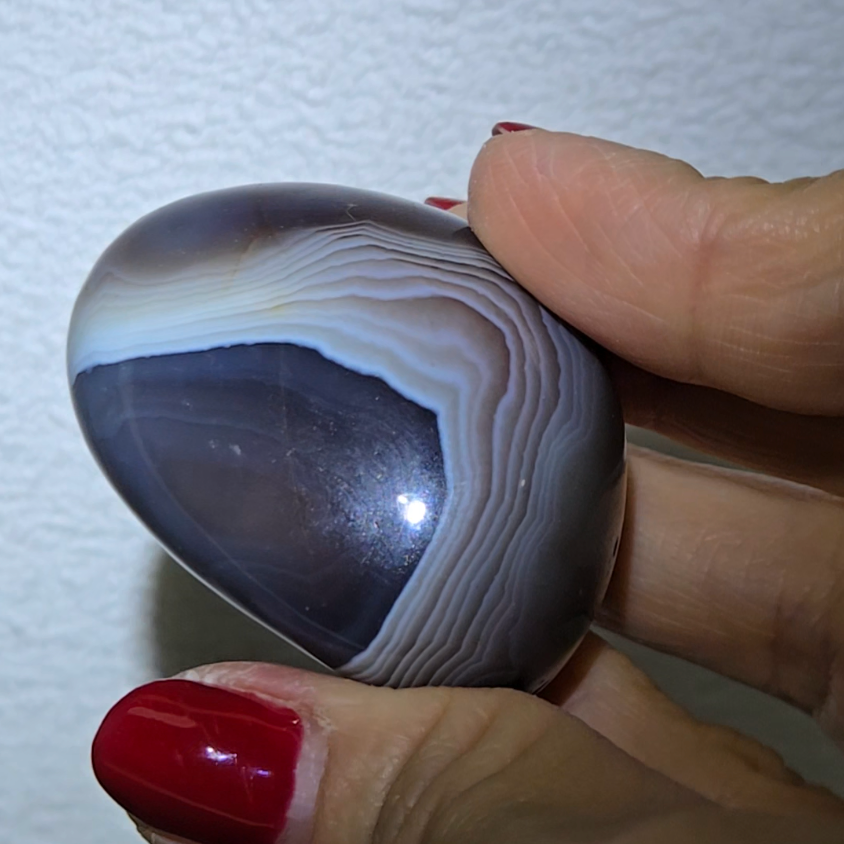
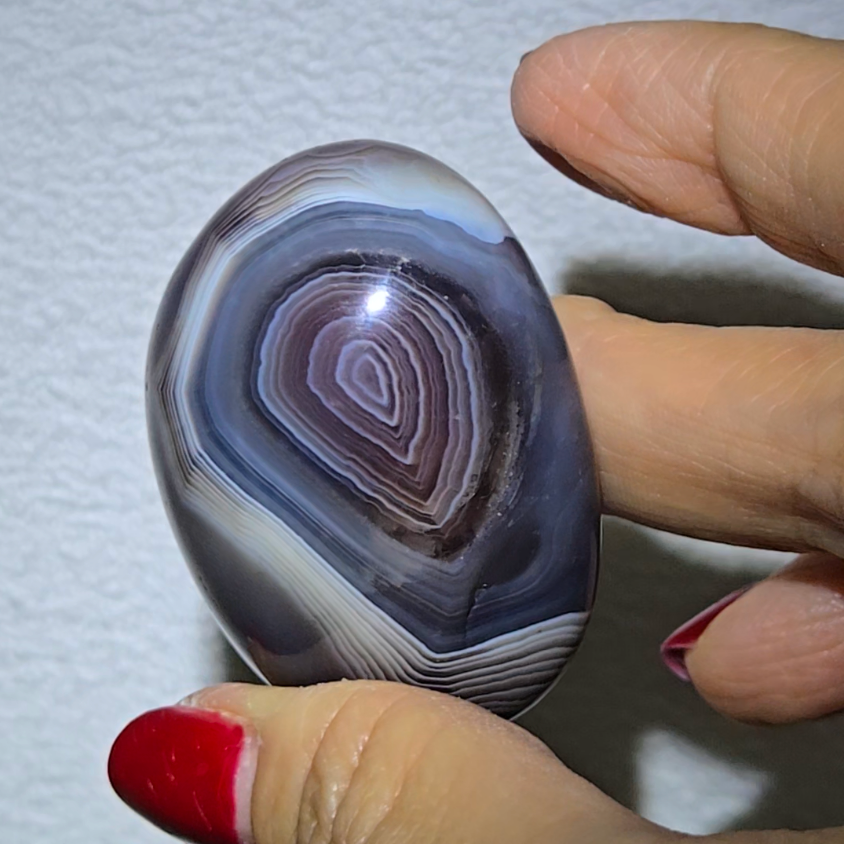
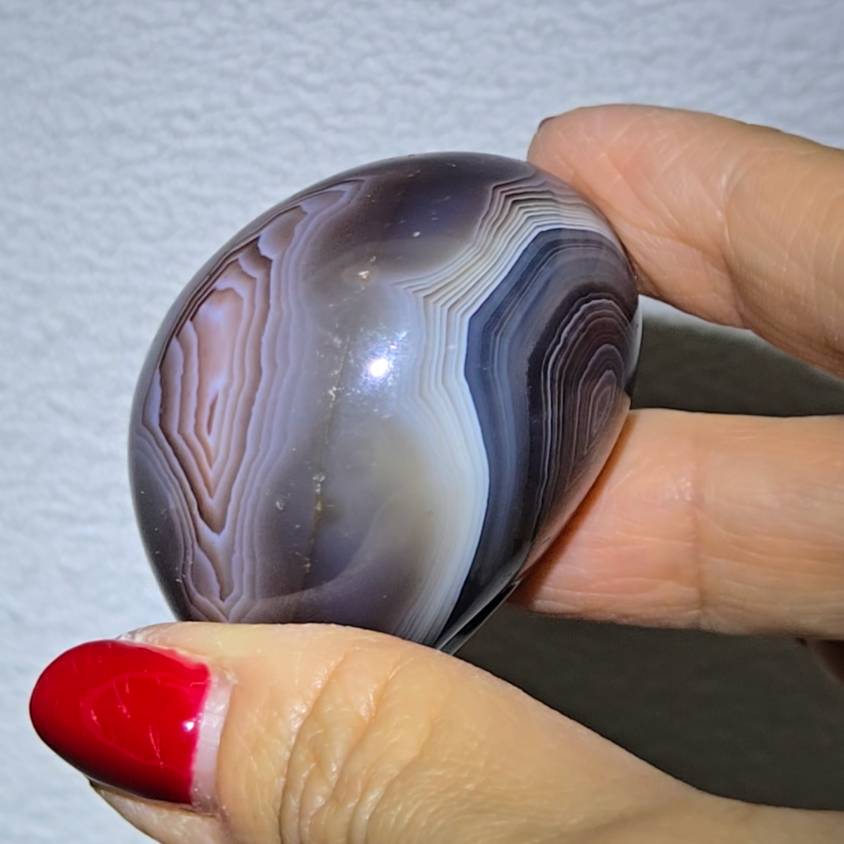
The extremely slow formation process of these stones results in a dense, fine-grained structure that is highly valued by collectors. This density translates to a more substantial grounding effect compared to more porous minerals. The intricate banding represents the layers of experience one integrates over time.
- Dense volcanic formation for strong grounding
- High-contrast banding indicates mineral purity
- Natural pink hues signify unique iron content
- Polished finish highlights complex geological history
How to Use Botswana Agate for Specific Applications?
Integrating this stone into a daily routine provides a tactile anchor for mindfulness practices. Its smooth, tumbled surface makes it ideal for use as a worry stone during periods of transition or uncertainty. It serves as a physical reminder of one's own resilience and internal strength.
- Carry as a tactile anchor during travel
- Place on a desk to maintain focus
- Hold during meditation to stabilize the breath
- Use in a grid for environmental protection
Key Questions About Botswana Agate Properties and Uses
Q: Which chakra does Botswana Agate primarily influence?
A: This mineral primarily resonates with the Root chakra, providing the foundational stability needed to process higher-level emotional and mental shifts.
Q: How should I carry this tumble stone?
A: Keep it in a pocket or a small pouch. Its high Mohs hardness makes it durable enough for frequent daily contact.
Q: How do I cleanse and recharge Botswana Agate?
A: Cleanse with warm soapy water or smoke. Recharge by placing it on a bed of hematite or under moonlight overnight.
Q: Is Botswana Agate suitable for beginners?
A: Yes, its gentle and consistent energy makes it an excellent choice for those starting to explore the benefits of mineral therapy.
Q: What causes the pink color in this stone?
A: The pink and salmon hues are the result of trace amounts of iron and manganese present during the silica deposition process.